Prevention Is the New Foundation of Wellbeing
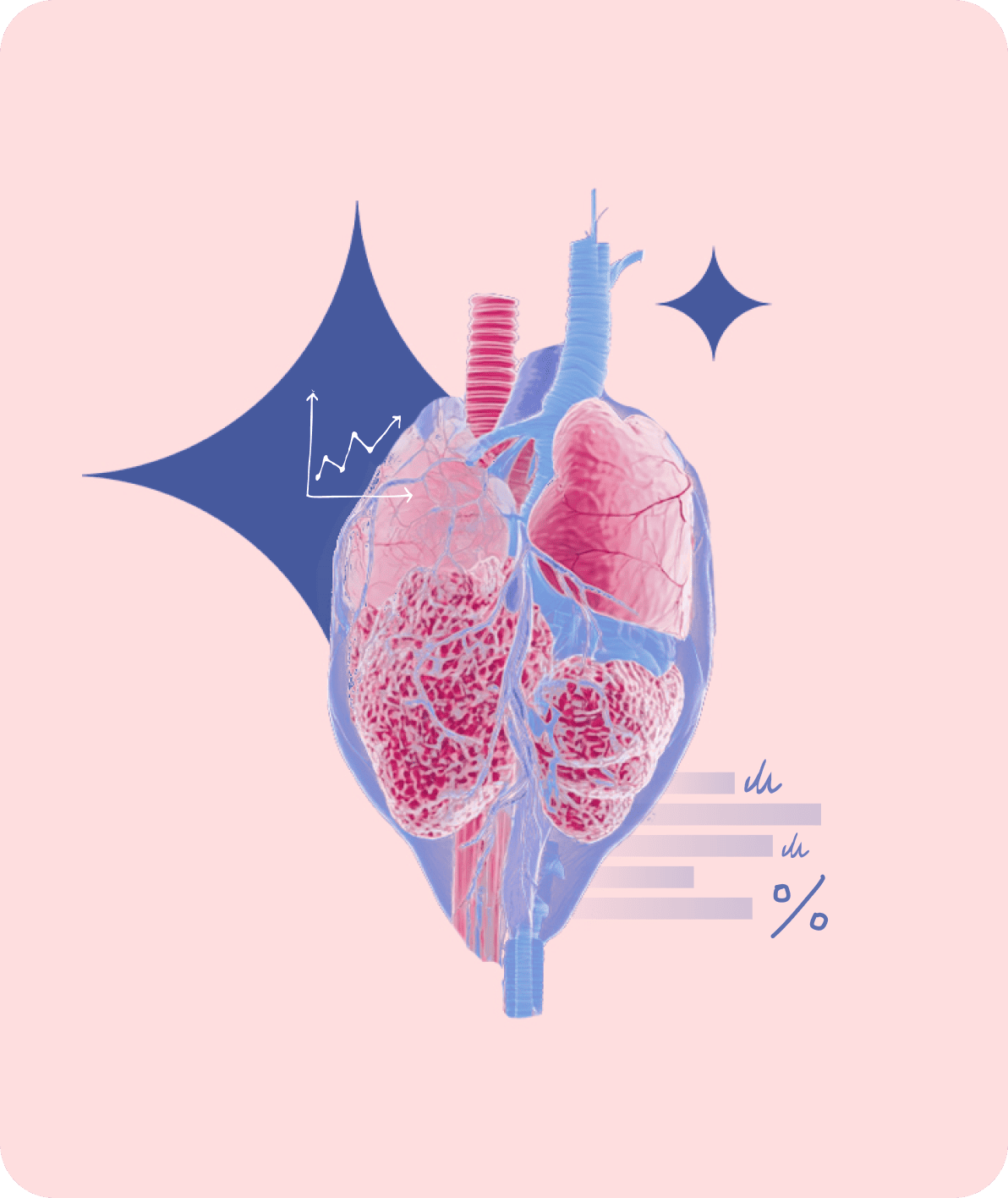
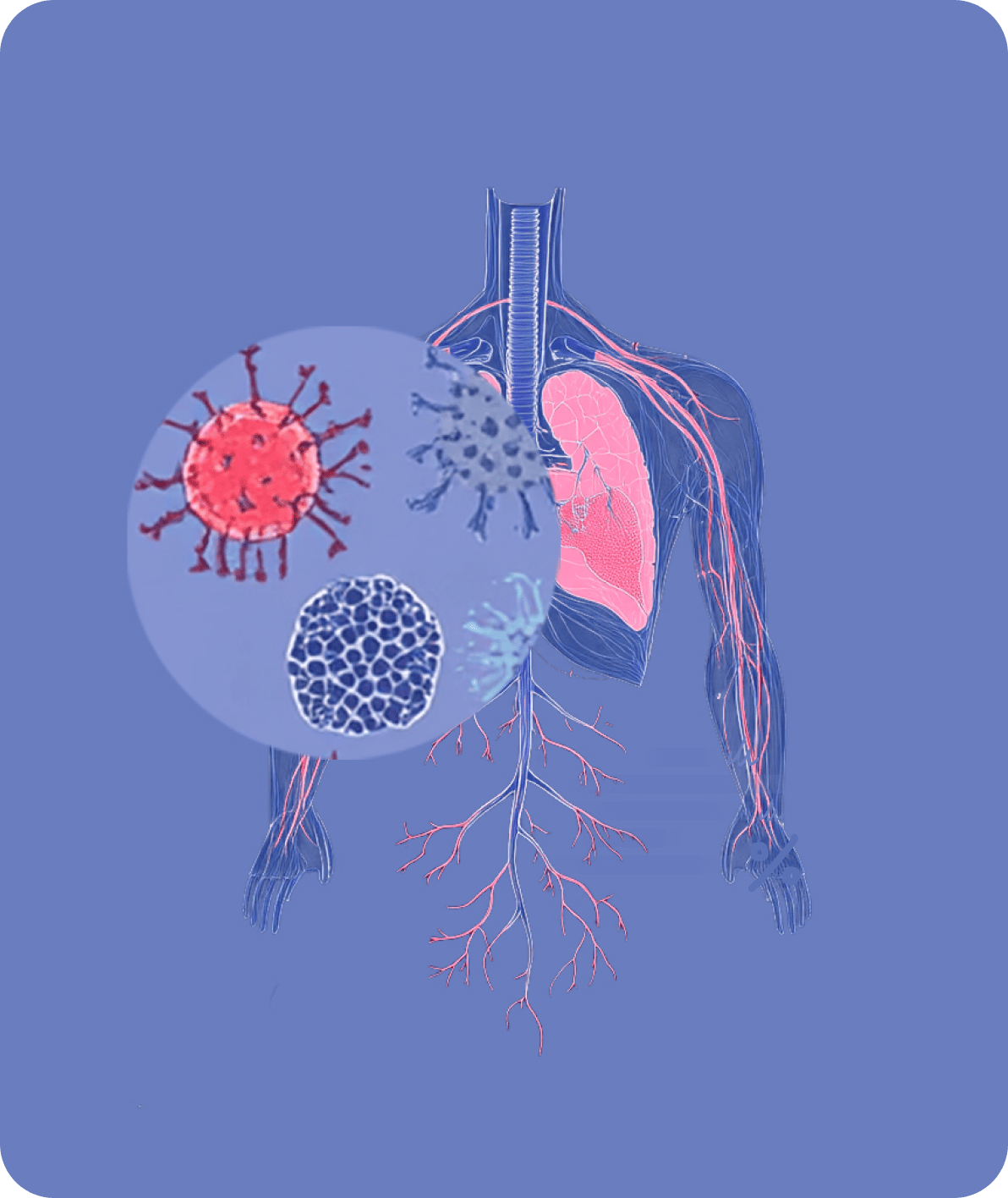
Traditional health benefits often focus on treatment and recovery. However, prevention-particularly through cancer screening and chronic disease detection-is where real impact begins. Early detection doesn’t just save lives; it helps employers protect their most valuable asset: their people. Studies consistently show that screening programmes for conditions like cancer, diabetes, and cardiovascular disease significantly improve health outcomes and reduce time lost to illness.
For HR teams, prevention translates to more than health—it’s about creating a culture of care that drives engagement and trust. Employees who feel supported in their long-term health are more likely to stay loyal, perform at their best, and advocate for their employer.
Data Turns Insight into Action
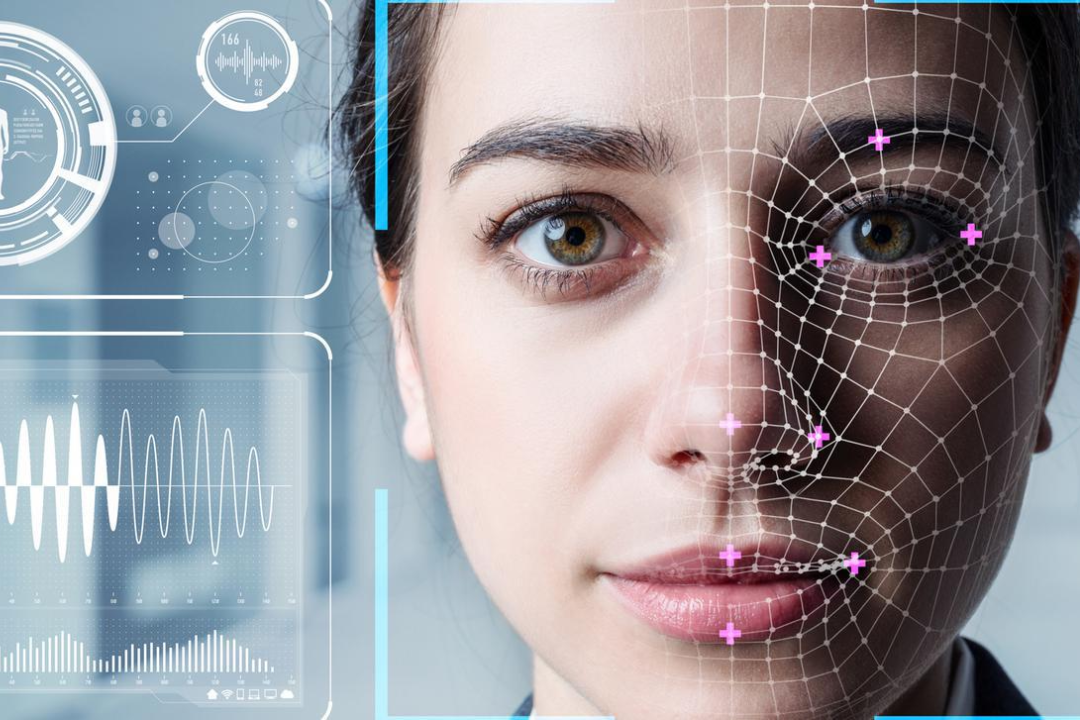
The most effective well-being strategies are no longer based on assumptions-they’re informed by data. Data-driven health screening enables HR and reward professionals to understand population-level risks, target interventions, and measure outcomes with precision. Instead of reactive responses to health issues, data empowers proactive planning, helping organisations allocate resources efficiently and make well-being programmes truly personalised.
For example, understanding which segments of the workforce face higher risks for certain conditions can guide tailored support — from nutrition advice to targeted cancer prevention initiatives. This evidence-led approach moves health benefits from generic to genuinely strategic.
The Business Case for Early Detection
Beyond the human impact, prevention makes financial sense. Early detection reduces the cost burden of late-stage treatment, decreases absenteeism, and minimises presenteeism caused by unmanaged chronic conditions. For organisations striving for sustainable productivity, investing in screening is a win-win-it supports individual health and corporate resilience simultaneously.
Forward-thinking HR leaders recognise that well-being is no longer a “nice to have”; it’s a core pillar of business continuity and employer brand strength. Integrating cancer screening and chronic disease assessment into a wellbeing programme demonstrates a tangible commitment to prevention, protection, and performance.
An employee from a professional services firm says, “A massive thank you to [my employer] for the Klarity Cancer Screening that I attended, as they found a basal cell carcinoma and I am now being referred to the hospital for official diagnosis/treatment, so thank you so much. I would recommend any member of staff to use it and get their moles checked out!”
The personal impact of a data-driven screening programme is huge and catches people who are regularly missed otherwise.
Lead with Prevention. Act with Data.
The future of workplace well-being is proactive, not reactive. By embedding employee health screening within a data-driven well-being strategy, organisations can foster healthier, more productive teams-and build a culture that values prevention as much as performance.
Book a demo of Klarity today to see how data-led prevention can transform your organisation’s approach to employee health and wellbeing. Saving you time, money and potentially, lives.